
Eat well. Cook simply. Choose nourishing foods. Enjoy the process.
The Everyday Heart-Healthy Cookbook
Eating for your heart doesn't have to mean giving up flavor, spending hours in the kitchen, or following complicated rules. The Everyday Heart-Healthy Cookbook was created to make nourishing meals simple, satisfying, and realistic for everyday life.
This cookbook is intended for general educational and culinary purposes and is not a substitute for medical advice. Individual nutrition needs vary, particularly for people with heart disease, high blood pressure, diabetes, kidney disease, food allergies, or other medical conditions. If you have specific dietary restrictions or take medications affected by diet, sodium, potassium, or other nutrients, consult your healthcare professional or a registered dietitian for personalized guidance.



Simple Recipes for Breakfast, Lunch & Dinner.
The Everyday Heart-Healthy Cookbook
Healthy food should still be enjoyable. Sit down, slow down when you can, share a meal with someone you love, and take pleasure in what you're eating.
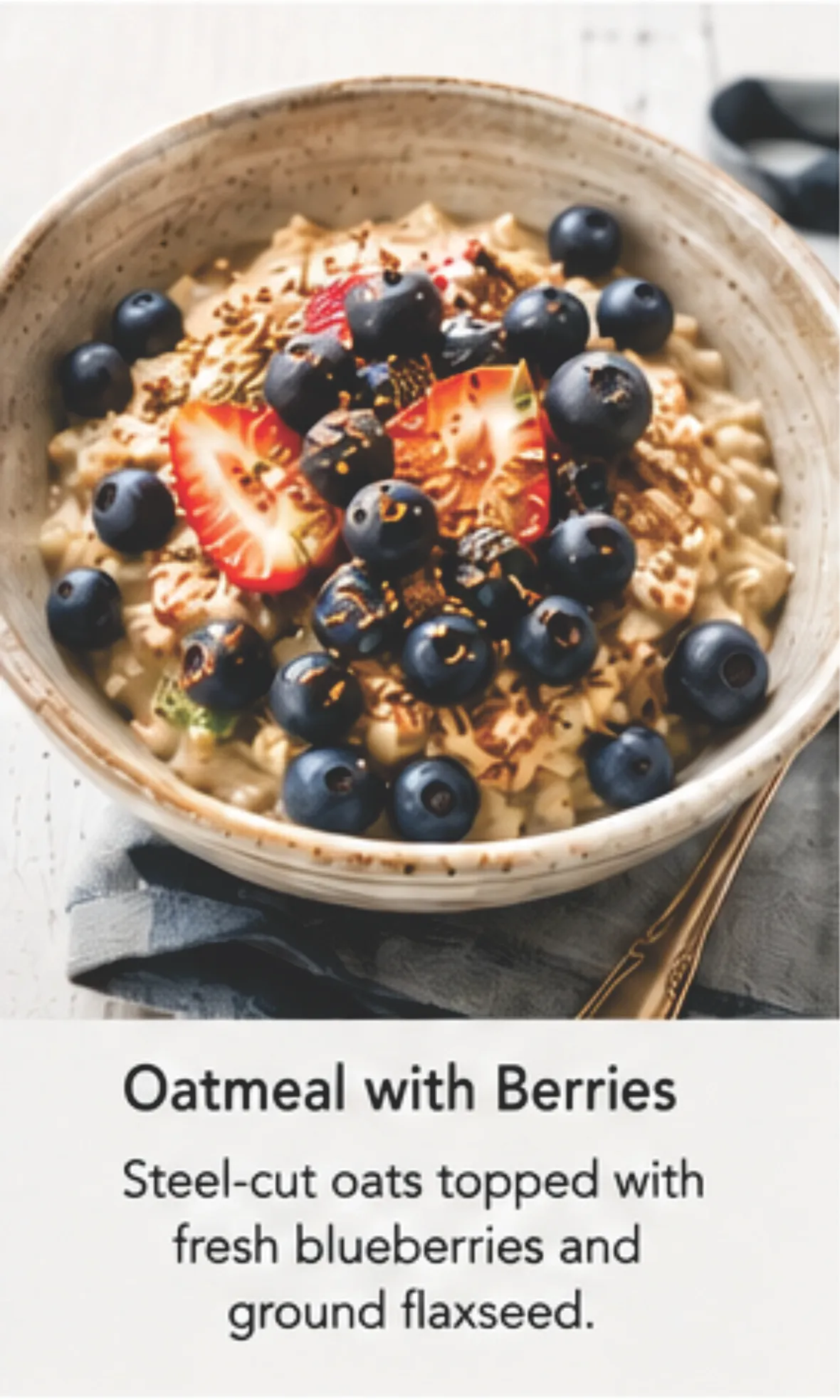
Oatmeal with Berries
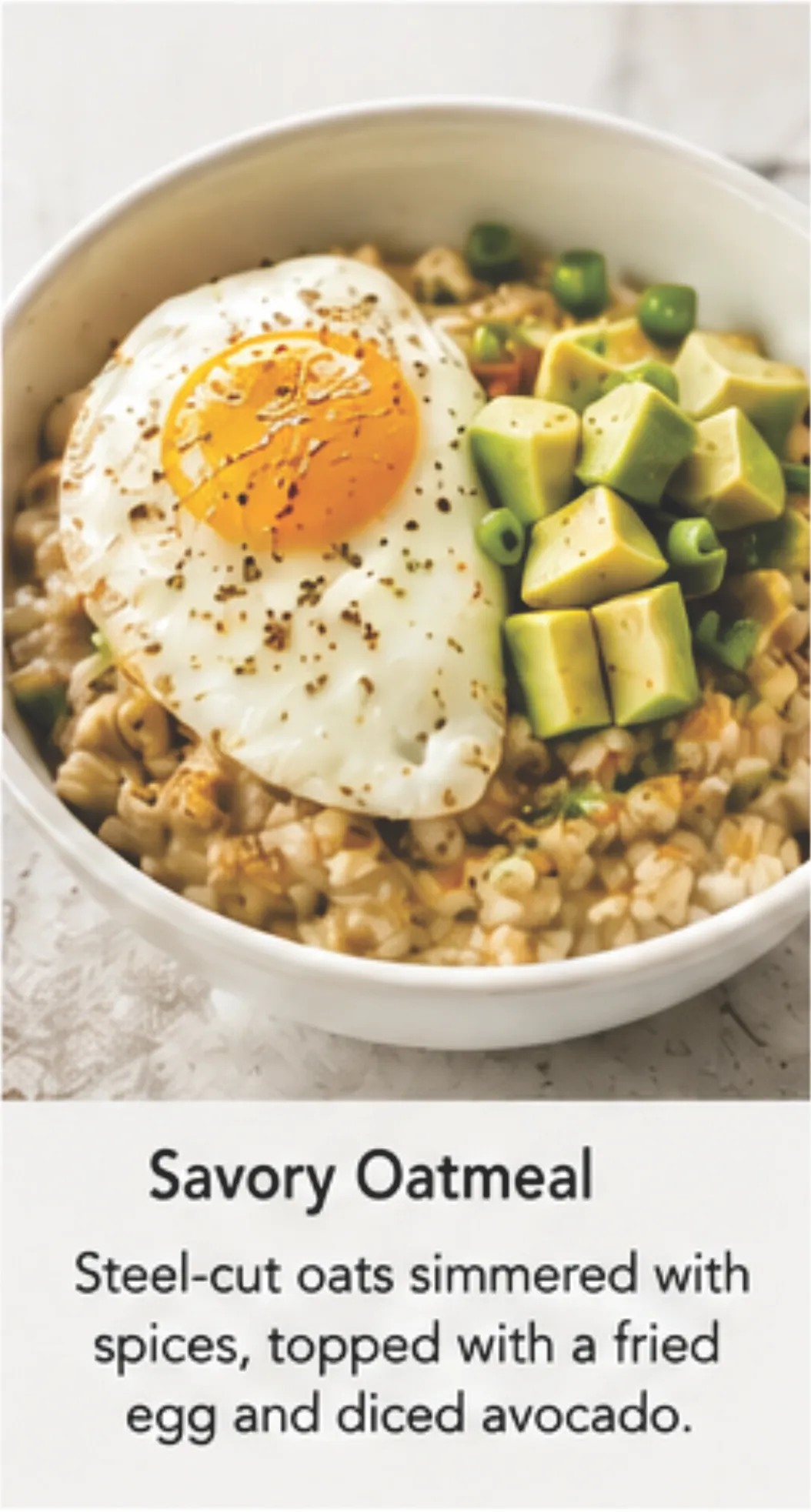
Savory Oatmeal
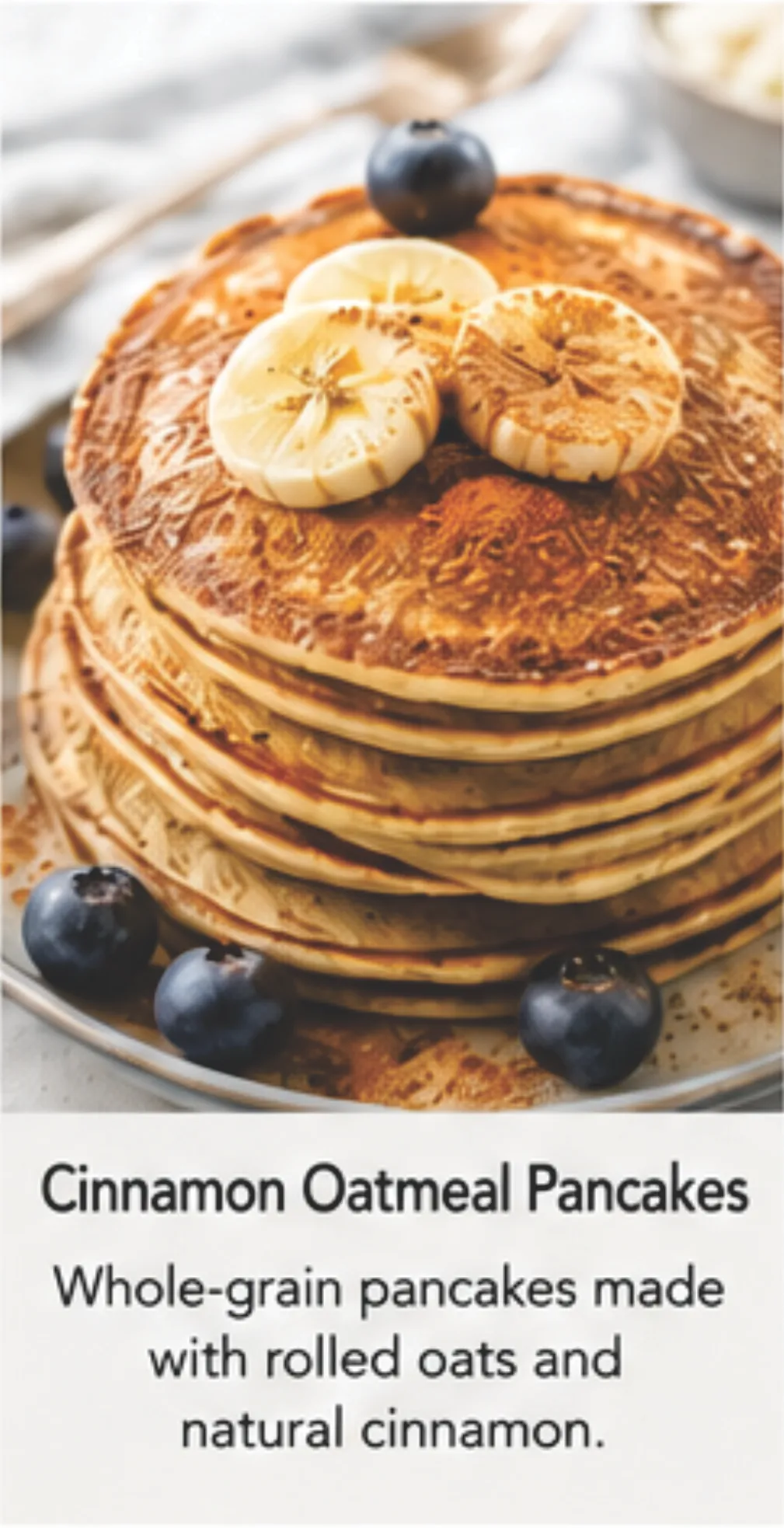
Cinnamon Oatmeal Pancakes
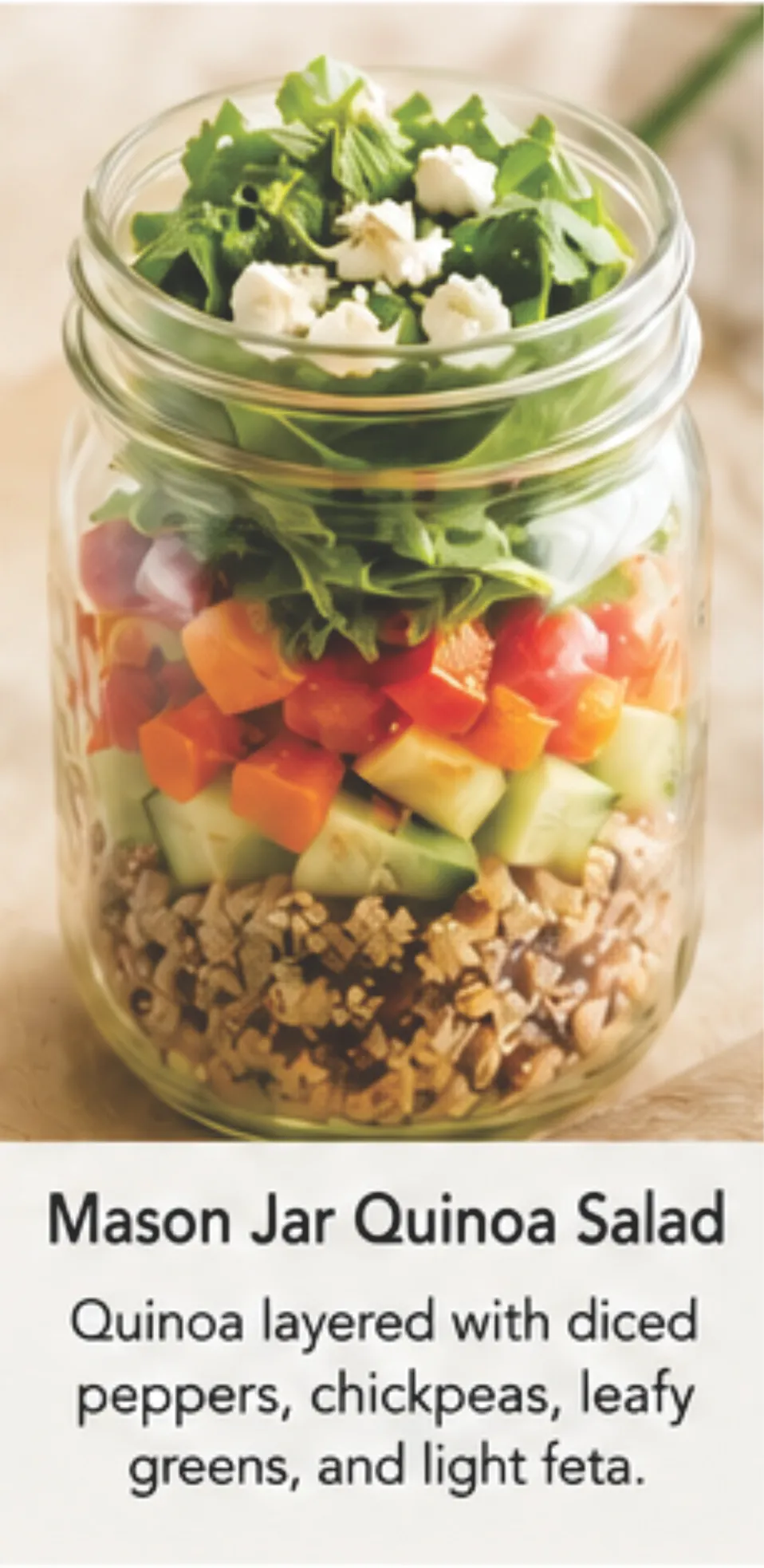
Mason Jar Quinoa Salad
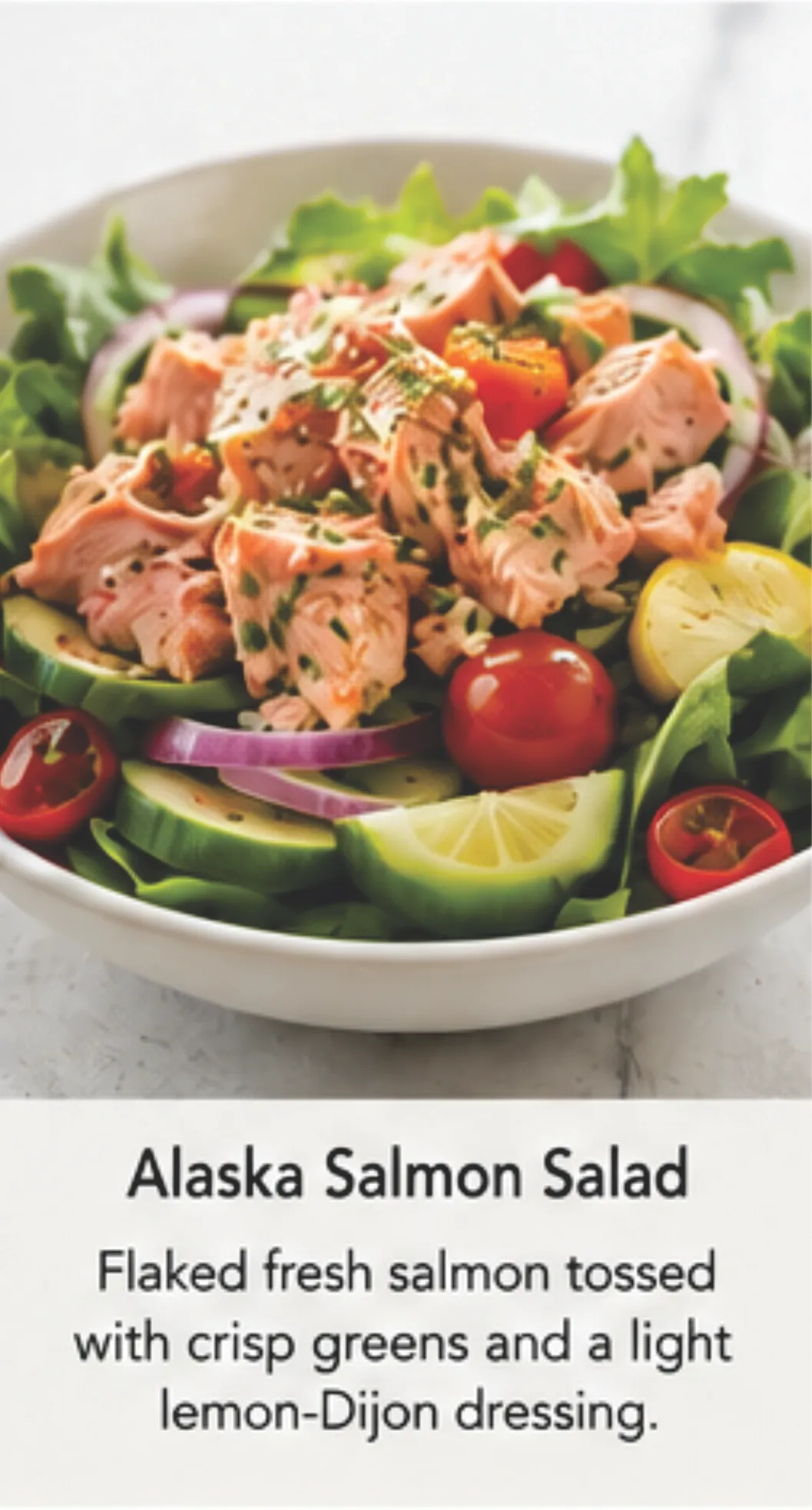
Alaska Salmon Salad
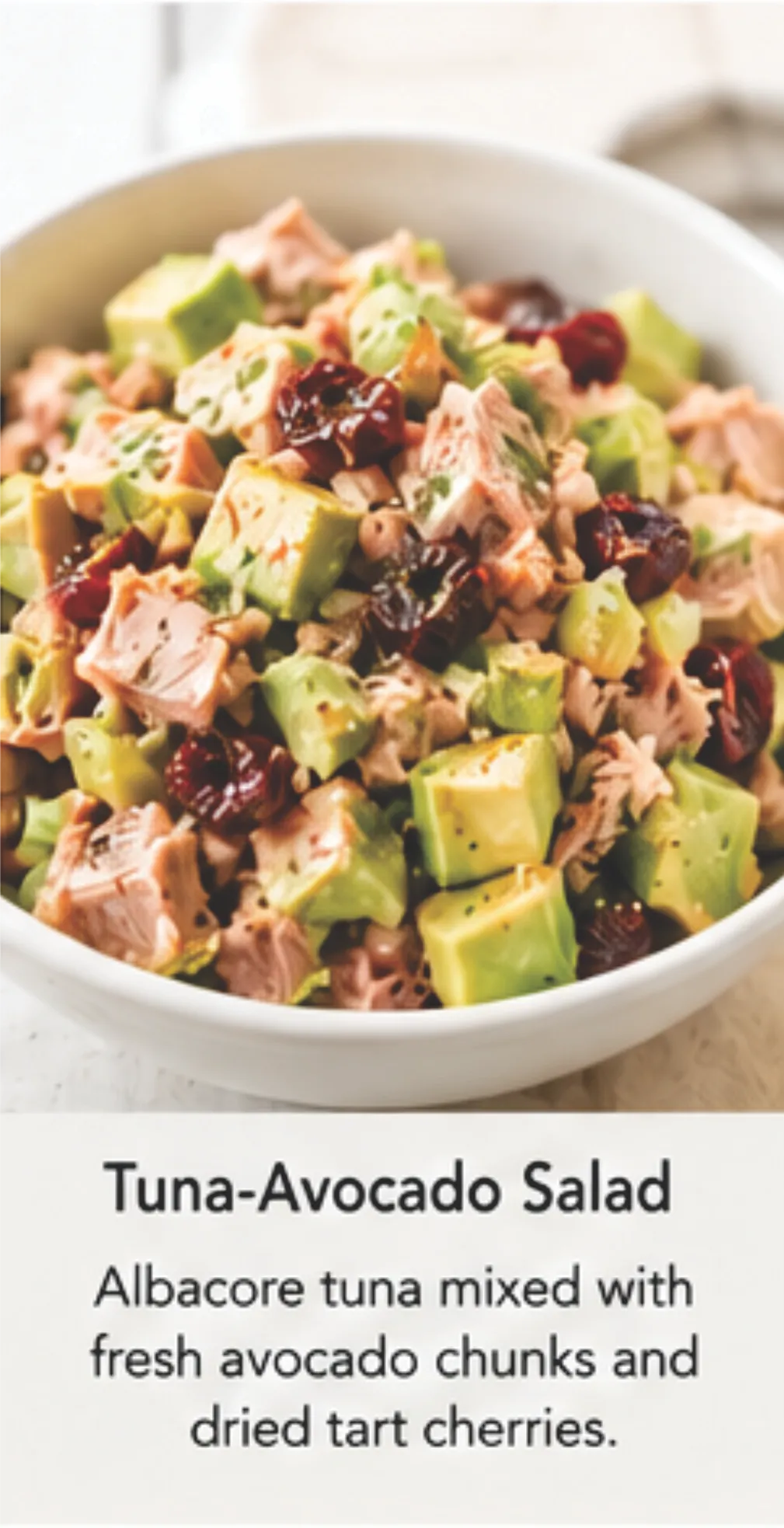
Tuna-Avocado Salad
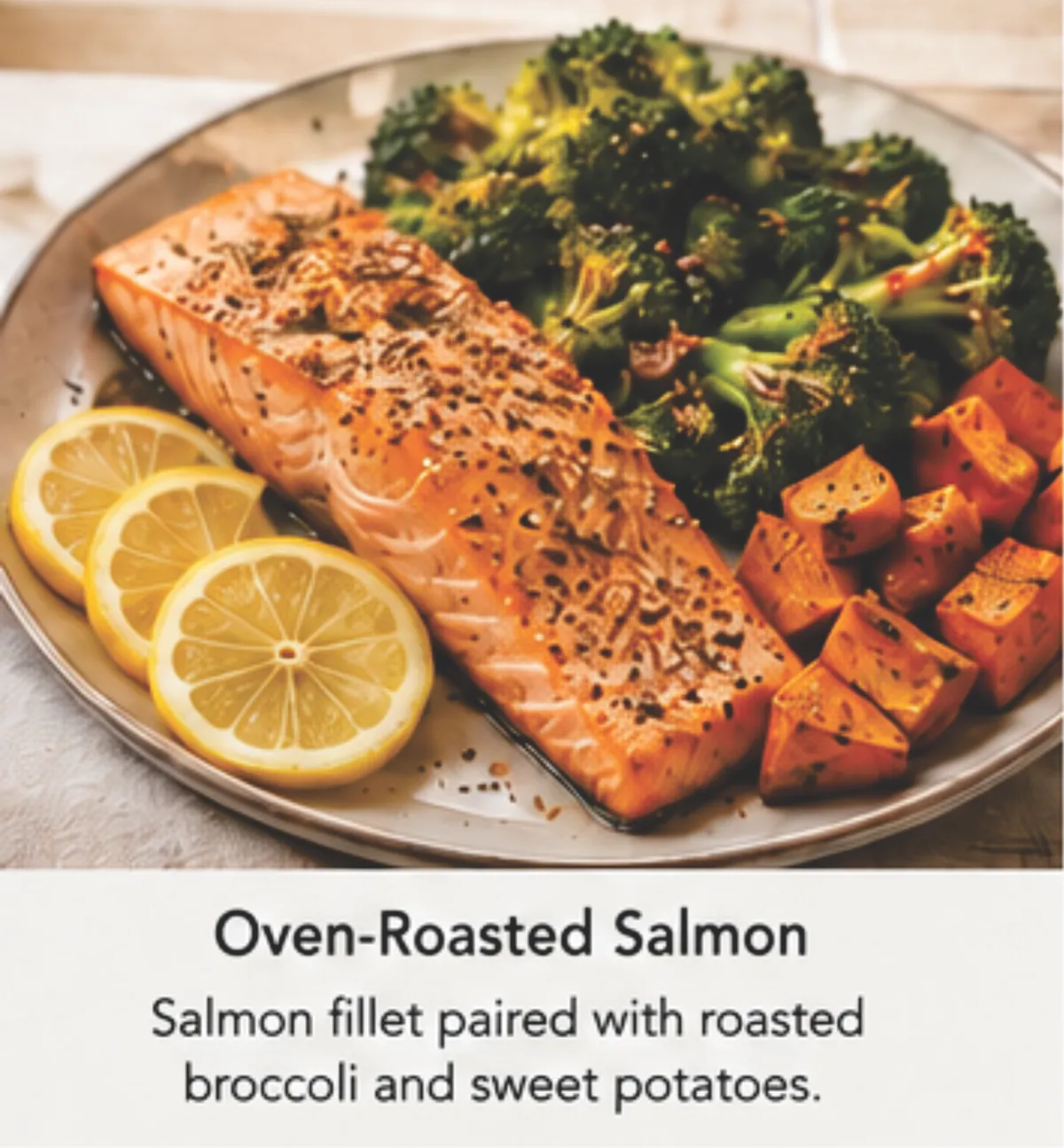
Oven-Roasted Salmon
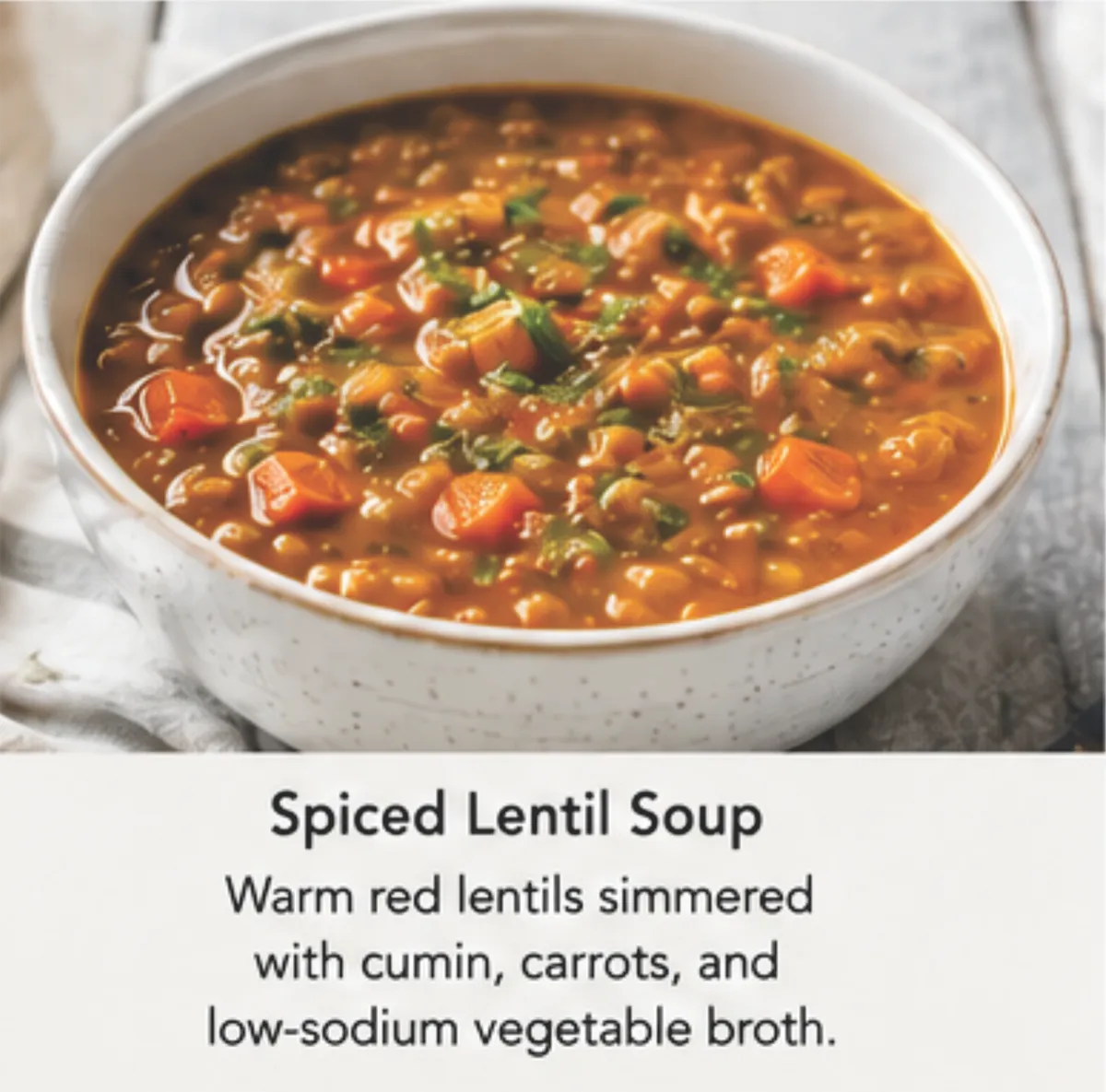
Spiced Lentil Soup
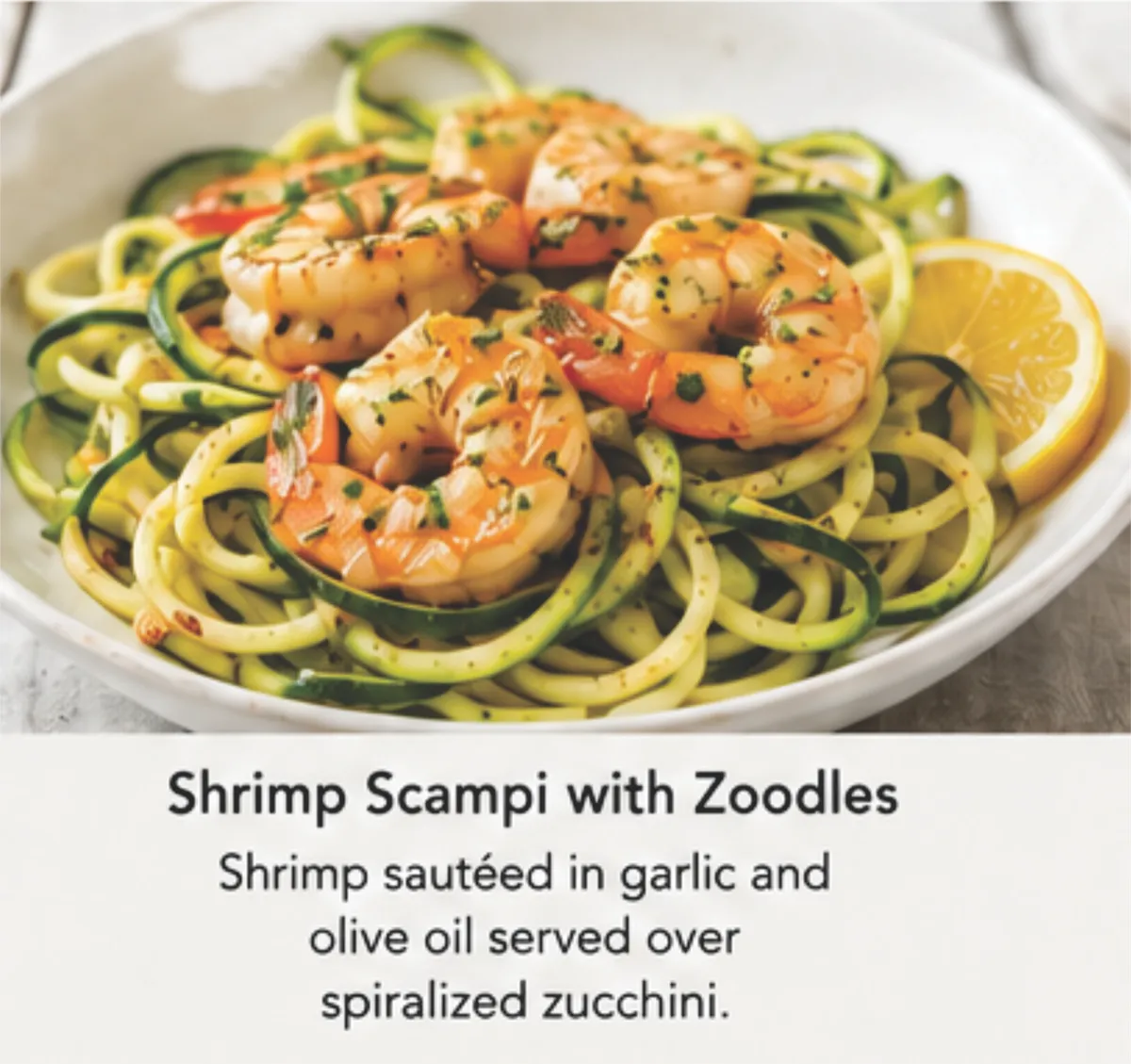
Shrimp Scampi with Zoodles
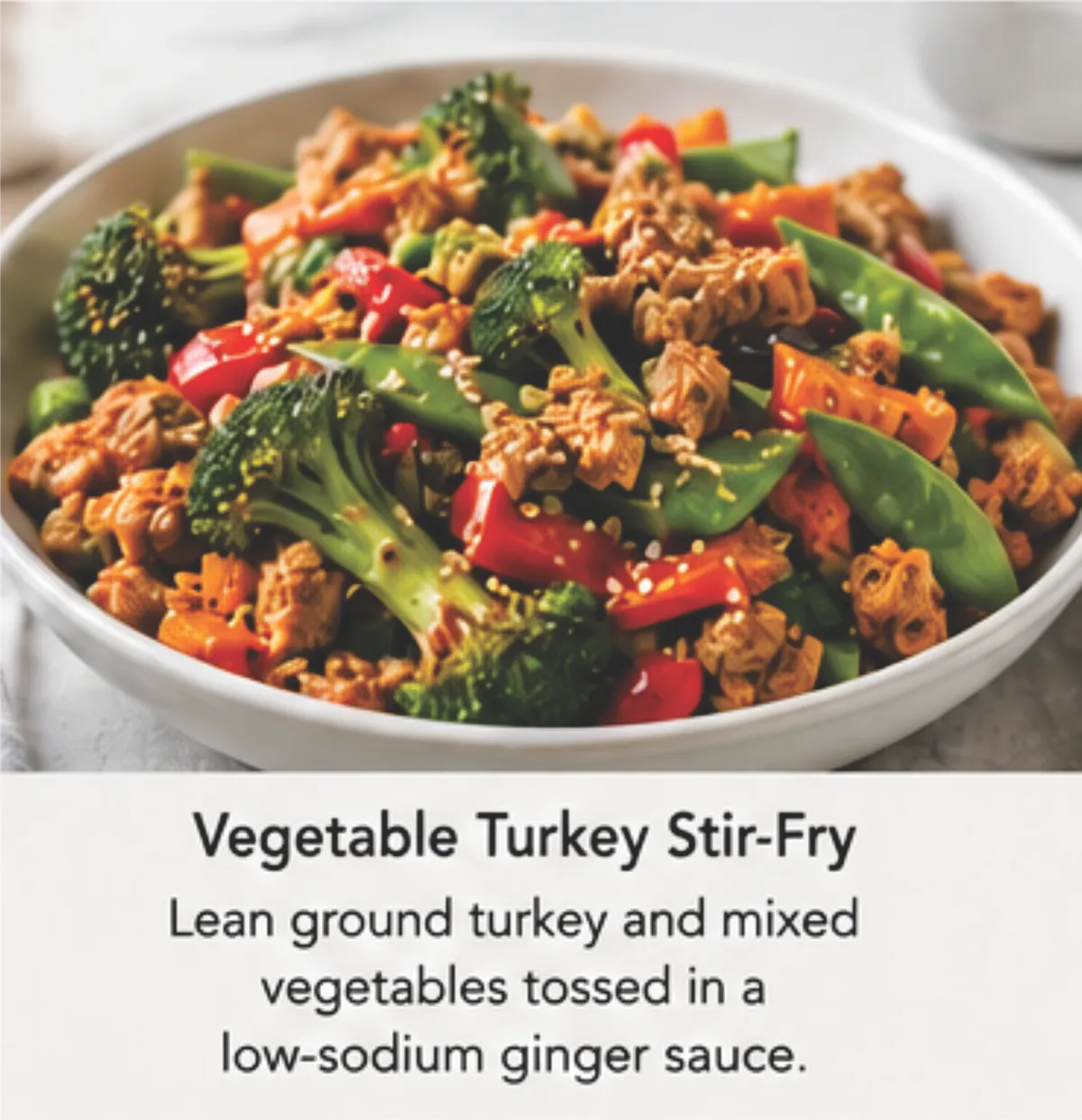
Vegetable Turkey Stir-Fry
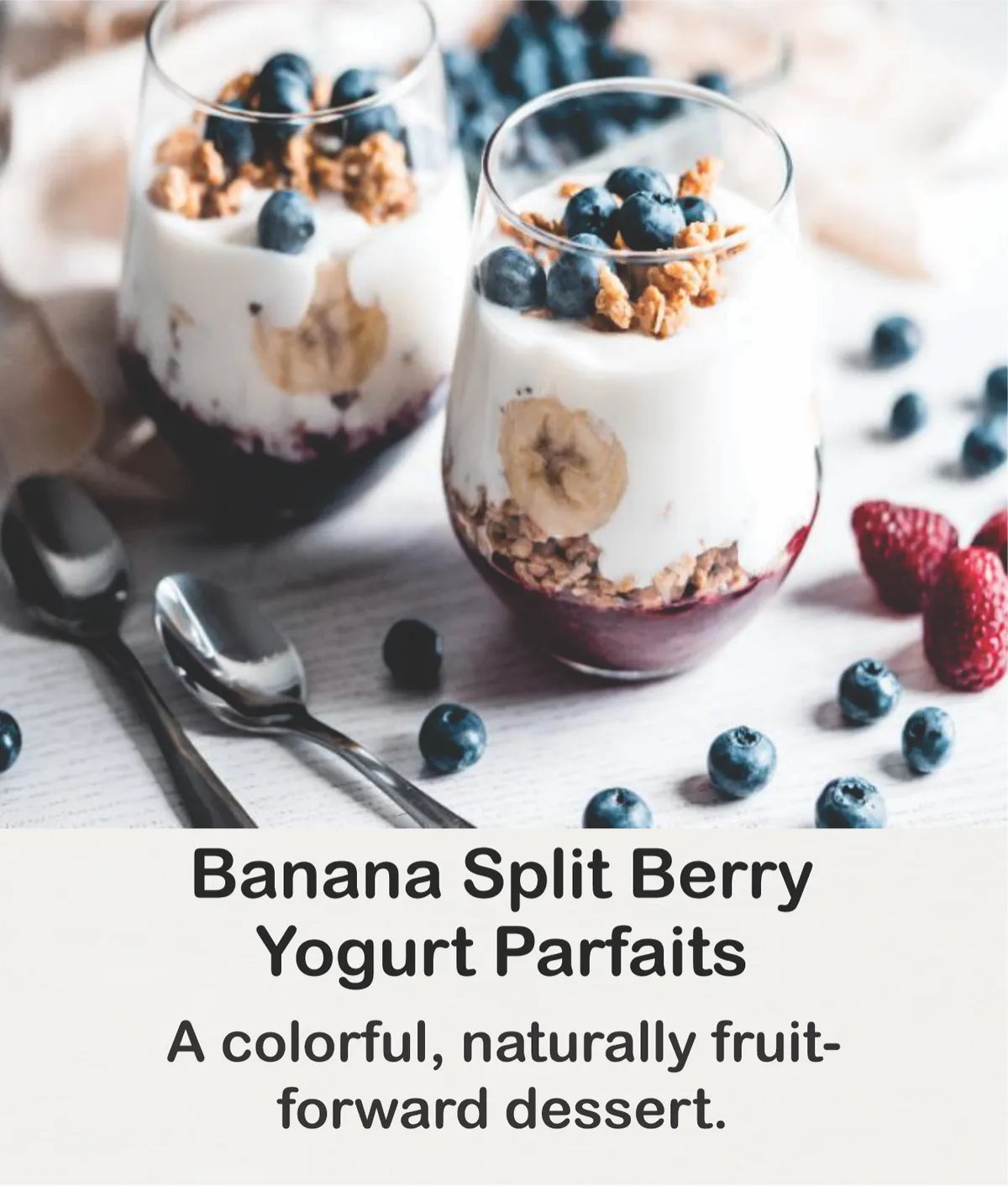
Banana Split Berry
Yogurt Parfaits
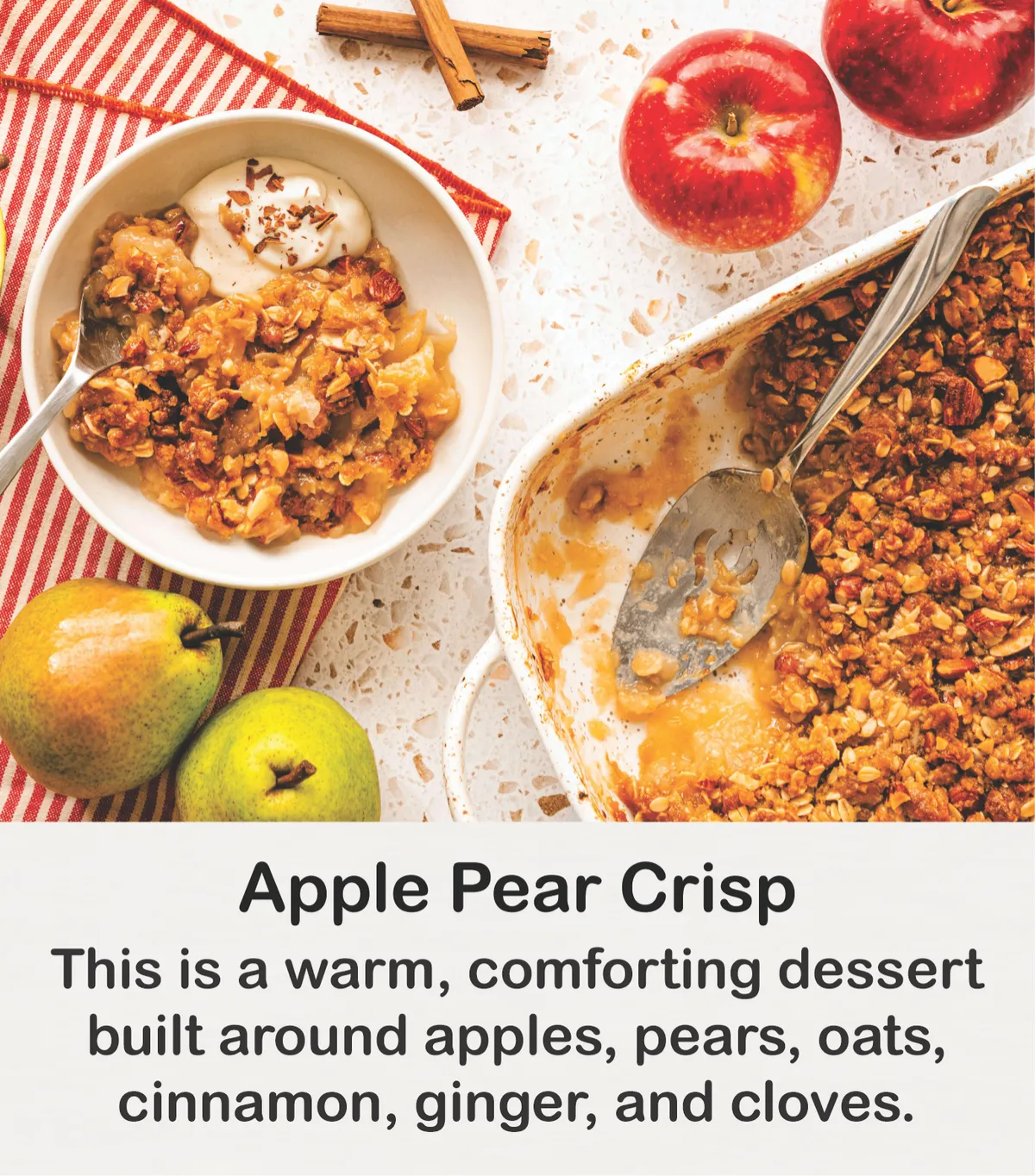
Apple Pear Crisp
Strawberry-Lemonade Italian Ice

The recipes in this cookbook focus on foods that can be part of a heart-conscious eating pattern: colorful vegetables and fruits, whole grains, beans and lentils, fish, lean proteins, nuts and seeds, and healthy unsaturated fats. You'll find familiar ingredients prepared in simple ways, from berry-topped oatmeal and savory breakfasts to fresh salmon salads, hearty lentil soup, roasted salmon, shrimp scampi with zucchini noodles, and a flavorful turkey stir-fry.
BREAKFAST RECIPES
Oatmeal with Berries
A simple, satisfying bowl built around whole-grain oats, fresh berries, and ground flaxseed.
INGREDIENTS
1 cup steel-cut oats
3 cups water or unsweetened milk of choice
1 cup fresh blueberries
2 tablespoons ground flaxseed
1/2 teaspoon ground cinnamon (optional)
Pinch of salt (optional)
DIRECTIONS
1. Bring the water or milk to a gentle boil in a saucepan.
2. Stir in the steel-cut oats. Reduce heat and simmer according to the package directions, stirring occasionally, until tender and creamy.
3. Divide between two bowls.
4. Top with blueberries and ground flaxseed. Add cinnamon if desired.
5. Serve warm.
Make it your own: Add sliced strawberries, raspberries, chopped walnuts, or a spoonful of plain yogurt.
Rather than thinking of healthy eating as a list of foods you can't have, think of it as an opportunity to discover foods you genuinely enjoy. Fresh herbs, garlic, ginger, citrus, cinnamon, spices, and naturally flavorful ingredients can make meals satisfying without relying heavily on salt, added sugar, or saturated fat.
Savory Oatmeal
A savory twist on oatmeal with warm spices, creamy avocado, and a fried egg.
INGREDIENTS
1 cup steel-cut oats
3 cups water or low-sodium broth
1/2 teaspoon smoked paprika
1/4 teaspoon black pepper
1/2 teaspoon ground cinnamon (optional)
2 large eggs
1/2 avocado, diced
1 teaspoon olive oil or avocado oil
2 tablespoons sliced scallions (optional)
Fresh herbs or red-pepper flakes (optional)
DIRECTIONS
1. Cook the oats in water or low-sodium broth according to the package directions.
2. Stir in paprika and black pepper during the final few minutes of cooking.
3. While the oats cook, warm the oil in a skillet over medium heat and cook the eggs to your preferred doneness.
4. Spoon oatmeal into two bowls and top each with an egg and diced avocado.
5. Finish with scallions, herbs, or a small pinch of red-pepper flakes if desired.
Kitchen tip: Use low-sodium broth and let herbs, spices, and avocado provide most of the flavor.
This cookbook is also designed to be flexible. Swap vegetables based on what's available, use leftovers creatively, adjust seasonings to your taste, and make recipes your own. A meal doesn't have to be perfect to be a nourishing choice.
Cinnamon Oatmeal Pancakes
Tender whole-grain pancakes made with rolled oats and naturally warming cinnamon.
INGREDIENTS
1 cup rolled oats
1 cup whole-wheat flour
1 teaspoon baking powder
1 teaspoon ground cinnamon
1 cup unsweetened milk of choice
1 large egg
1 tablespoon olive or canola oil
1 teaspoon vanilla extract
1 tablespoon maple syrup (optional)
Fresh berries for serving
DIRECTIONS
1. Grind the rolled oats in a blender or food processor until they resemble a coarse flour.
2. Whisk oats, whole-wheat flour, baking powder, and cinnamon in a bowl.
3. In another bowl, whisk milk, egg, oil, vanilla, and optional maple syrup.
4. Add wet ingredients to dry ingredients and stir just until combined. Let the batter rest for 5 minutes.
5. Heat a lightly oiled skillet over medium heat. Pour about 1/4 cup batter per pancake.
6. Cook until bubbles form and the edges look set, then flip and cook until golden and cooked through.
7. Serve with fresh berries.
Heart-smart serving idea: Skip a heavy syrup pour and use berries, sliced banana, or a small drizzle of maple syrup instead.
Small choices add up. Choosing oatmeal instead of a refined breakfast, adding vegetables to lunch, selecting fish for dinner, or using olive oil instead of a source of saturated fat can all become part of a larger pattern of eating well.
Hearty Salad Recipes
Mason Jar Quinoa Salad
A colorful make-ahead lunch with quinoa, chickpeas, crisp peppers, leafy greens, and a light feta finish.
INGREDIENTS
1 cup cooked quinoa, cooled
1 cup low-sodium chickpeas, drained and rinsed
1 red bell pepper, diced
1/2 cucumber, diced
2 cups leafy greens, chopped
1/4 cup light feta, crumbled
2 tablespoons chopped parsley
2 tablespoons olive oil
1 1/2 tablespoons lemon juice
1 teaspoon Dijon mustard
1/2 teaspoon dried oregano
Black pepper to taste
DIRECTIONS
1. Whisk olive oil, lemon juice, Dijon, oregano, and black pepper to make the dressing.
2. Divide dressing between two pint-size jars.
3. Layer chickpeas, quinoa, bell pepper, cucumber, feta, parsley, and greens, keeping greens at the top.
4. Seal and refrigerate until ready to eat.
5. Shake the jar just before serving and pour into a bowl, or eat directly from the jar.
Make-ahead tip: Keep the dressing at the bottom and greens at the top so the salad stays crisp.
Heart-Conscious Plate Tip
Half the plate: vegetables and fruit: Use color and variety. Fresh, frozen, and no-salt-added canned options can all fit.
Alaska Salmon Salad
Flaked salmon, crisp greens, and a bright lemon-Dijon dressing make an easy, protein-rich lunch.
INGREDIENTS
12 ounces cooked salmon, cooled and flaked
6 cups mixed greens
1/2 cucumber, sliced
1 cup cherry tomatoes, halved
1/4 small red onion, thinly sliced
1 tablespoon chopped parsley
2 tablespoons olive oil
2 tablespoons fresh lemon juice
1 teaspoon Dijon mustard
Black pepper to taste
DIRECTIONS
1. Whisk olive oil, lemon juice, Dijon, and black pepper to make the dressing.
2. Arrange greens, cucumber, tomatoes, onion, and parsley in two bowls.
3. Top with flaked salmon.
4. Drizzle with dressing just before serving.
Kitchen note: Use leftover roasted salmon from dinner, or a plain cooked salmon portion from the refrigerator.
Heart-Conscious Plate Tip
Choose whole grains often: Oats, quinoa, brown rice, and whole-grain breads add texture and fiber.
Tuna-Avocado Salad
A creamy, colorful salad combining tuna, avocado, greens, and tart cherries for contrast.
INGREDIENTS
2 cans (5 ounces each) albacore tuna in water, drained
1 ripe avocado, diced
2 cups mixed greens
1/3 cup dried tart cherries, preferably with little or no added sugar
1/4 cup diced celery
2 tablespoons fresh lemon juice
1 tablespoon olive oil
2 tablespoons fresh lemon juice
1 teaspoon Dijon mustard
Black pepper to taste
DIRECTIONS
1. Whisk olive oil, lemon juice, Dijon, and black pepper to make the dressing.
2. In a bowl, gently combine tuna, avocado, celery, and dried cherries.
3. Toss greens with half of the dressing.
4. Top the greens with the tuna-avocado mixture and drizzle with the remaining dressing.
5. Serve immediately.
Smart swap: If you want to reduce added sugar, choose unsweetened or lower-sugar dried cherries and compare labels.
Heart-Conscious Plate Tip
Include plant foods regularly: Beans, lentils, chickpeas, nuts, seeds, and vegetables can make meals more filling.
Dinner Recipes
Oven-Roasted Salmon
A simple sheet-pan dinner pairing salmon with broccoli and naturally sweet roasted potatoes.
INGREDIENTS
2 salmon fillets, about 5–6 ounces each
2 medium sweet potatoes, cubed
4 cups broccoli florets
1 1/2 tablespoons olive oil
1 lemon, half sliced and half juiced
1 teaspoon garlic powder
1/2 teaspoon smoked paprika
Black pepper to taste
DIRECTIONS
1. Heat oven to 425°F.
2. Toss sweet potatoes with about half the olive oil, garlic powder, paprika, and black pepper. Roast for 20 minutes.
3. Add broccoli to the pan and toss with remaining oil.
4. Nestle salmon fillets among the vegetables. Brush with lemon juice and top with lemon slices.
5. Roast until salmon flakes easily and reaches 145°F internally, about 10–15 minutes depending on thickness.
6. Serve warm with the roasted vegetables.
One-pan tip: Cut sweet potatoes into small, even pieces so they finish close to the same time as the salmon.
Heart-Conscious Plate Tip
Favor unsaturated fats: Olive and canola oils, avocado, nuts, and seeds are useful alternatives to butter and other sources of saturated fat.
Spiced Lentil Soup
A warming, fiber-rich soup featuring red lentils, cumin, carrots, and a low-sodium vegetable broth.
INGREDIENTS
1 tablespoon olive oil
1 medium onion, diced
2 carrots, diced
2 cloves garlic, minced
1 1/2 teaspoons ground cumin
1/2 teaspoon smoked paprika
1 cup dry red lentils, rinsed
4 cups low-sodium vegetable broth
2 cups water
1 cup diced tomatoes, no-salt-added if available
2 cups baby spinach
2 tablespoons lemon juice
Black pepper to taste
DIRECTIONS
1. Warm olive oil in a large pot over medium heat. Add onion and carrots and cook for 5–7 minutes.
2. Add garlic, cumin, and paprika. Stir for 30 seconds.
3. Add lentils, broth, water, and tomatoes. Bring to a boil, then reduce to a simmer.
4. Cook for 18–25 minutes, until lentils are tender.
5. Stir in spinach and cook until wilted.
6. Finish with lemon juice and black pepper. Taste and adjust seasoning.
Batch-cooking tip: Refrigerate leftovers promptly and freeze extra portions in individual containers for easy lunches.
Heart-Conscious Plate Tip
Watch the label on packaged foods: Broths, sauces, canned foods, cheeses, and prepared meats can add significant sodium.
Shrimp Scampi with Zoodles
A lighter take on scampi that uses spiralized zucchini instead of traditional pasta.
INGREDIENTS
1 pound peeled and deveined shrimp
3 medium zucchini, spiralized
1 tablespoon olive oil
3 cloves garlic, minced
1/4 teaspoon red-pepper flakes (optional)
1/4 cup low-sodium chicken or vegetable broth
2 tablespoons fresh lemon juice
1 tablespoon chopped parsley
Black pepper to taste
1 tablespoon grated Parmesan (optional)
DIRECTIONS
1. Pat shrimp dry and season with black pepper.
2. Heat olive oil in a large skillet over medium heat. Add garlic and optional red-pepper flakes; cook about 30 seconds.
3. Add shrimp and cook until opaque and cooked through, about 2–3 minutes per side. Transfer shrimp to a plate.
4. Add broth and lemon juice to the skillet and simmer for 1–2 minutes.
5. Add zoodles and toss for 2–3 minutes, just until tender-crisp.
6. Return shrimp to the skillet. Toss with parsley and optional Parmesan and serve immediately.
Texture tip: Zoodles release water as they cook. Keep the cooking time short for a brighter, firmer dish.
Heart-Conscious Plate Tip
Make flavor do the work: Citrus, garlic, ginger, herbs, spices, vinegar, and toasted seeds can add depth without relying on extra salt.
Vegetable Turkey Stir-Fry
Lean ground turkey and colorful vegetables come together in a fast ginger-garlic skillet meal.
INGREDIENTS
1 pound lean ground turkey
1 tablespoon olive or canola oil
1 bell pepper, sliced
1 cup broccoli florets
1 cup snap peas
1 carrot, thinly sliced
2 cloves garlic, minced
1 tablespoon fresh ginger, grated
1/3 cup low-sodium broth
2 tablespoons low-sodium soy sauce
1 tablespoon rice vinegar
1 teaspoon honey (optional)
2 teaspoons cornstarch mixed with 1 tablespoon water
DIRECTIONS
1. Whisk broth, soy sauce, rice vinegar, optional honey, and cornstarch slurry together.
2. Heat oil in a large skillet or wok over medium-high heat. Add turkey and cook until browned and it reaches 165°F.
3. Add garlic and ginger and cook for 30 seconds.
4. Add bell pepper, broccoli, snap peas, and carrot. Stir-fry for 4–6 minutes, until crisp-tender.
5. Pour in the sauce and toss until it thickens and coats the turkey and vegetables.
6. Serve on its own or over brown rice or quinoa.
Flavor tip: Add fresh lime juice, cilantro, or toasted sesame seeds at the table instead of relying on extra salt.
Dessert Recipes
Banana Split Berry Yogurt Parfaits
A colorful, naturally fruit-forward dessert that uses plain yogurt, berries, banana, pineapple, nuts, and a small amount of cocoa drizzle.
INGREDIENTS
12 oz fat-free plain yogurt
1 (8-oz) can pineapple tidbits in its own juice, drained
1 cup sliced strawberries
1 cup mixed berries
1 large banana, sliced
¼ cup chopped walnuts, pecans, or almonds
1 Tbsp unsweetened cocoa powder
1 Tbsp confectioners' sugar
2 tsp hot water
1 teaspoon honey (optional)
DIRECTIONS
1. Layer yogurt, pineapple, strawberries, and banana in four small glasses or bowls.
2. Sprinkle each serving with chopped nuts.
3. Mix cocoa powder, confectioners' sugar, and hot water until smooth.
4. Drizzle approximately 1 teaspoon of chocolate mixture over each parfait.
5. Drizzle approximately 1/2 teaspoon of honey over each parfait.
6. Serve immediately.
Sugar control tip: Use unsweetened berries and plain yogurt to keep added sugar modest.
Healthy desserts can be a delicious part of a balanced eating pattern without feeling overly restrictive. Choosing desserts made with naturally sweet ingredients such as berries, apples, pears, bananas, and other fruits can add fiber, vitamins, and antioxidants while satisfying a sweet craving. Ingredients such as oats, nuts, seeds, plain yogurt, and whole grains can also add texture and nutritional value, making dessert more filling and satisfying.
Apple Pear Crisp
This is a warm, comforting dessert built around apples, pears, oats, cinnamon, ginger, and cloves.
INGREDIENTS
Fruit Base
1 large apple, peeled and diced
1 large pear, peeled and diced
1 tsp cornstarch
½ tsp stevia sweetener
⅛ tsp ground ginger
⅛ tsp ground cloves
⅛ tsp ground cardamom (optional)
Oat Topping
¼ cup rolled oats
¼ cup all-purpose flour
2 Tbsp trans-fat-free tub margarine
1 Tbsp unsweetened applesauce
½ tsp cinnamon
1 Tbsp stevia sugar blend
DIRECTIONS
1. Preheat oven to 375°F.
2. Combine the diced apple, pear, cornstarch, sweetener, ginger, cloves, and optional cardamom.
3. Divide the fruit mixture among four small oven-safe ramekins.
4. Mix the oats, flour, margarine, applesauce, cinnamon, and sweetener until crumbly.
5. Sprinkle the topping evenly over the fruit.
6. Bake for 20–25 minutes, until the fruit is bubbling and the topping is golden.
7. Serve warm.
Sugar control tip: A small spoonful of plain Greek yogurt can make a delicious topping substitute for whipped cream or ice cream.
The goal isn't to eliminate dessert—it is to enjoy it thoughtfully. Look for recipes that emphasize whole foods and use added sugar, saturated fat, and sodium in moderation. Simple choices such as fruit with yogurt, a warm fruit-and-oat crisp, or a refreshing fruit-based frozen dessert can provide a satisfying finish to a meal. When desserts are enjoyed as part of an overall nourishing diet, there is room for both good nutrition and the pleasure of eating something delicious.
Strawberry-Lemonade Italian Ice
For something lighter and refreshing, this fruit-based frozen dessert combines strawberries, fresh lemon juice, and ice.
INGREDIENTS
Fruit Base
1½ lbs ripe strawberries, hulled and halved
5 cups ice
3 Tbsp fresh lemon juice
2 Tbsp sugar
Oat Topping
¼ cup rolled oats
¼ cup all-purpose flour
2 Tbsp trans-fat-free tub margarine
1 Tbsp unsweetened applesauce
½ tsp cinnamon
1 Tbsp stevia sugar blend
DIRECTIONS
1. Whisk the lemon juice and sugar together until the sugar is nearly dissolved.
2. Add strawberries and the lemon mixture to a food processor or high-powered blender.
3. Process until the strawberries are puréed.
4. Add the ice.
5. Blend until smooth and icy.
6. Spoon into chilled glasses or dessert bowls.
6. Serve immediately.
Presentation tip: Garnish with a fresh strawberry, lemon slice, or a few mint leaves.
The goal isn't perfection. It's building everyday habits that support a healthier, more enjoyable way of eating.
Disclaimer
This cookbook is for general educational and culinary purposes only. It is not medical advice and is not intended to diagnose, treat, cure, or prevent any disease. Individual nutrition needs vary. Consult a qualified healthcare professional or registered dietitian for advice specific to your health, medications, allergies, or dietary restrictions.
Important: “Heart-healthy” is used here as a general food-pattern description, not as a promise that any individual recipe will prevent or treat heart disease. Nutrition needs vary. If you have a medical condition, food allergy, kidney disease, diabetes, or specific sodium, potassium, carbohydrate, or fluid restrictions, ask your healthcare professional or registered dietitian how these recipes should be adapted.
Food safety: Use a food thermometer for meat, poultry, and seafood. Salmon and other fish should reach 145°F; ground turkey should reach 165°F. Refrigerate leftovers promptly and follow local food-safety guidance.
© Copyright 2026 Society of Individualized Medicine & Therapies™ -All rights reserved.
Terms & Conditions | Privacy Policy | Medical Disclaimer | Accessibility Statement | Conflict of Interest Policy | Editorial Review Policy | Clinical and Health Education Content Review Policy | Records Retention and Destruction Policy